direct from beekeeper - real honey is the best honey

Preparing Bees for Winter: Essential Steps for Beekeepers
12/4/20252 min read
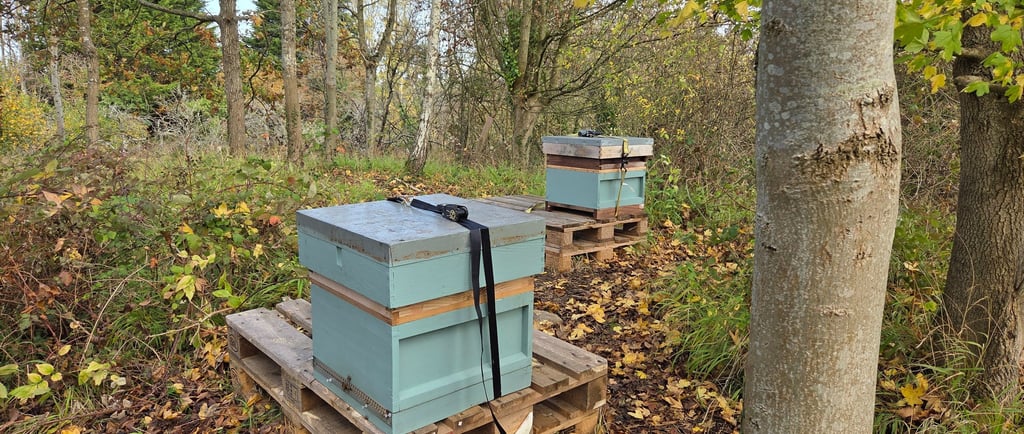
Winter Preparations: Protecting Hives
As the last remnants of autumn wane away, and after facing several good frosts, it becomes increasingly clear that winter is just around the corner. For beekeepers, this season is crucial, not only for the bees’ survival but also for the overall health of the colony. One of the first responsibilities during this time involves ensuring that the hives are well-protected. This means implementing measures to safeguard against pests like mice and woodpeckers, which can cause significant damage if allowed to invade the hives.
Securing the Hives Against Pests
To protect your hives from mice, it is vital to seal any potential entry points that could allow these small rodents to make their way inside. Using metal guards or mesh is an effective method for deterring mice. Additionally, woodpeckers pose a unique threat during the winter months, particularly as they search for food. Covering the hive entrances with protective boxes or using decoys can dissuade these birds from pecking at the wooden structures. By proactively addressing these challenges, you can ensure that your bees have a safe and secure environment to weather the winter months.
Preparing for Expansion: New Colonies Next Year
In addition to preparing the current bee colonies for winter, this period also represents an opportunity to plan for the future. Many beekeepers, including myself, are focusing on expanding the apiaries we currently manage. This includes setting aside resources for creating new colonies next year. Preparing the apiaries not only involves ensuring current colonies are healthy and protected but also involves careful planning regarding the resources, locations, and equipment needed for the expansion.
Expanding our apiaries requires a strategic approach. Identifying suitable locations for new hives, ensuring they have access to rich foraging areas, and considering the local ecological balance is key. Making citations on resources like seasonal flowers and local flora can help in determining the ideal spots for maximizing honey production and sustaining healthier colonies.
In conclusion, as winter quickly approaches, beekeepers must be proactive in preparing their hives for safeguarding against cold weather hazards, pests like mice and woodpeckers, and the overall health of the colonies. Additionally, planning for the expansion of apiaries through the establishment of new colonies offers a way to set the foundation for a fruitful beekeeping season in the coming year. Taking these essential steps now not only protects your current bees but lays the groundwork for a thriving beekeeping future.
Quality
Dedicated to crafting high-quality honey and beeswax products with attention to detail, we take pride in delivering the best offerings from our bees. Our dedication to excellence guarantees that every item reflects the beauty of nature, offering not just a wonderful experience but also promoting sustainable methods. Join us in honoring the amazing contributions of bees and their essential role in our ecosystem.
contact
Luke@beekeepingitsweet.co.uk
07885797631
© 2025. All rights reserved.